-
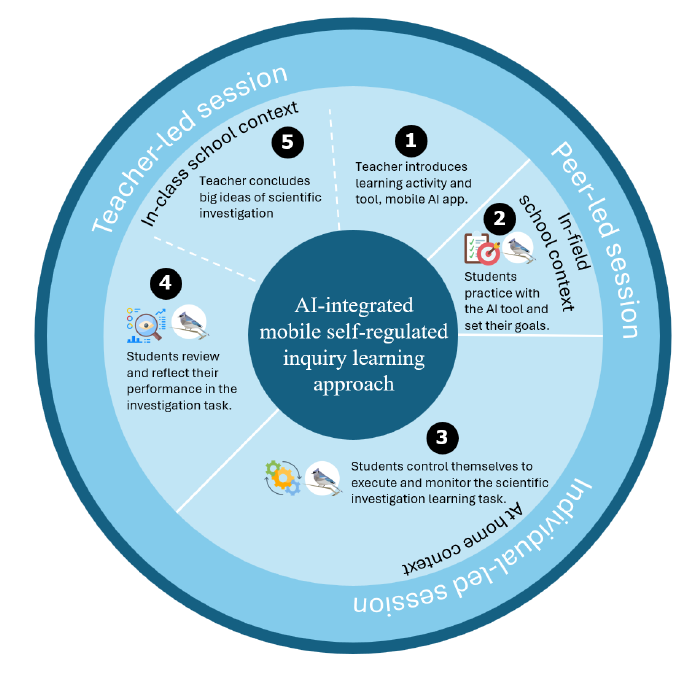
Empowering elementary students with an AI-integrated mobile self-regulated inquiry learning approach: effects on scientific understanding and engagement
This study investigates the effects of an AI-integrated mobile self-regulated inquiry learning approach on elementary students’ conceptual understanding of bird species, understanding of the nature of scientific inquiry (NOSI), and learning engagement. The intervention was implemented with 22 Grade 4…
-
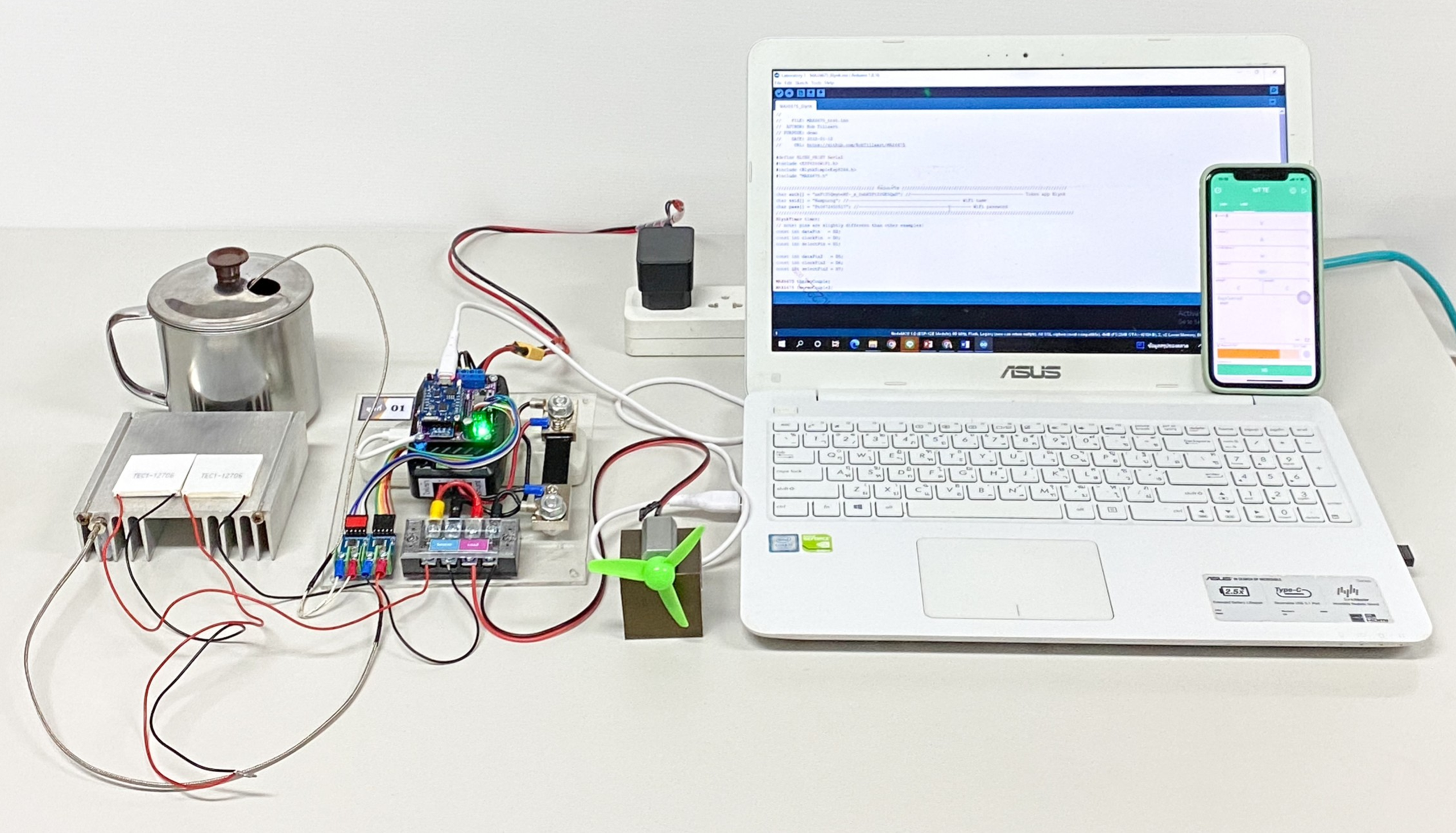
Making thermoelectric current visible: Arduino data acquisition with Blynk mobile visualisation in physics classroom
This paper presents a thermoelectric real-time measurement system (TRMS) as a classroom-ready approach that makes thermoelectric current visible in real time using an Arduino-compatible Wi-Fi microcontroller and Blynk mobile visualisation. In two related configurations, the TRMS supports temperature-gradient monitoring and…
-
Understanding students’ adoption of a web-enhanced inquiry learning common for science literacy: An affordance-based PLS-SEM analysis
Real-world applications can be potent tools in chemistry teaching, fostering highly beneficial learning for students. By involving students in real-world phenomena, we not only alter their perceptions of chemistry but also cultivate crucial chemistry competencies, preparing them for the future…
-
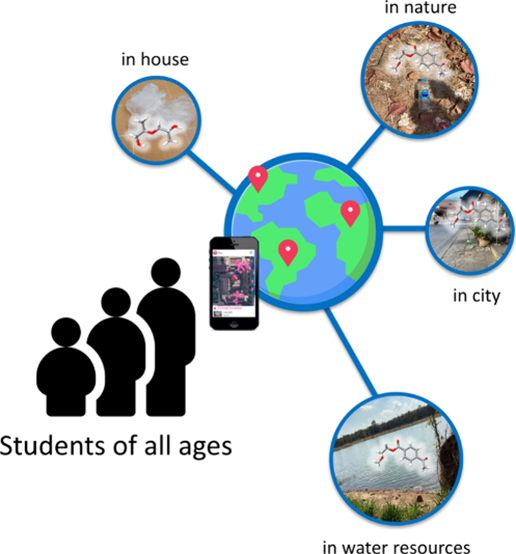
Plastic Detective: A Citizen Inquiry Mobile App for Promoting Chemistry Learning about the Circular Plastic Economy
In this report, we introduce the “Plastic Detective,” a citizen inquiry mobile app specifically designed to promote chemistry learning about the circular plastic economy. This app, developed using a user-centered design approach, focuses on engaging young people in environmental science…